Streamline Your Operations with Inbound Call Management Automation


Understanding Inbound Call Management Automation
In today's fast-paced business environment, efficiency is key. One area where companies can significantly enhance their operations is through inbound call management automation. This technology enables businesses to handle large volumes of calls with ease, improving both customer satisfaction and internal productivity.
Automating this process can streamline interactions, reduce wait times, and ensure that customers are directed to the appropriate departments without delay. By integrating such systems, companies can focus more on delivering quality service rather than getting bogged down by logistical challenges.
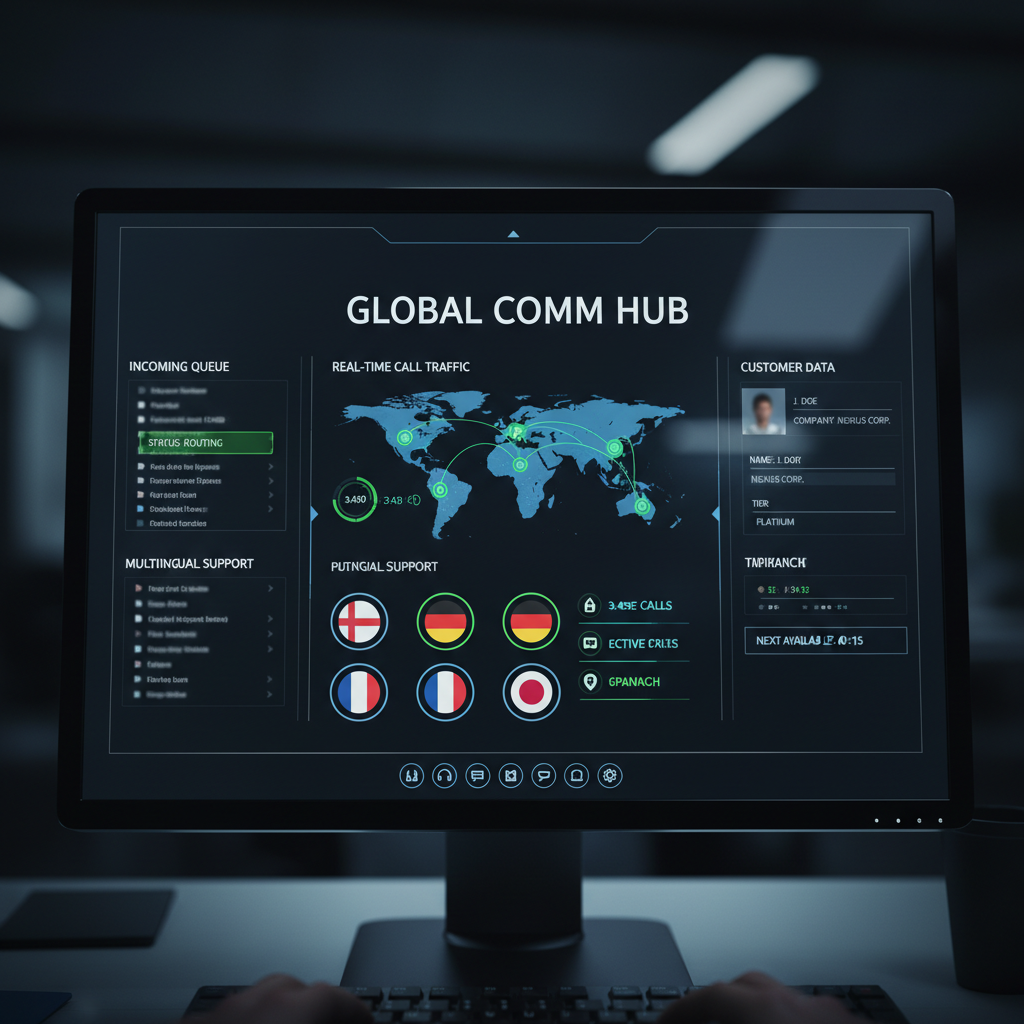
Key Benefits of Automation
One of the primary advantages of inbound call management automation is the ability to provide a consistent customer service experience. Automated systems can handle routine queries efficiently, allowing human agents to focus on more complex issues. This not only improves customer satisfaction but also boosts employee morale by reducing repetitive tasks.
Moreover, automated systems can operate 24/7, ensuring that customer inquiries are never left unanswered. This round-the-clock availability can be a significant competitive advantage, particularly for businesses with a global customer base.

Features to Look For
When considering inbound call management automation, there are several features worth noting. Look for systems that offer:
- Interactive Voice Response (IVR): Guides callers through a series of prompts to resolve issues or direct them appropriately.
- Call Routing: Efficiently directs calls to the right department or agent based on customer needs.
- Analytics and Reporting: Provides insights into call patterns, customer behavior, and system performance.
These features can greatly enhance the efficiency and effectiveness of your call management system.

Implementing Automation Successfully
To successfully implement inbound call management automation, businesses should start by identifying their specific needs and challenges. This involves assessing current call handling processes and determining areas where automation can have the most significant impact.
Once these areas are identified, it's crucial to choose a system that aligns with your business goals and provides flexibility for future growth. Training your staff to use the new system effectively is also essential to ensure a smooth transition and maximize the benefits of automation.
Potential Challenges
While the benefits of automation are clear, businesses may face challenges during implementation. Resistance to change from staff, integration with existing systems, and initial setup costs can pose obstacles. However, these can be mitigated with proper planning and communication.
Ensuring that employees understand the advantages and providing adequate training can ease the transition. Additionally, partnering with a reliable service provider can help overcome technical challenges.

Conclusion
Inbound call management automation holds significant potential for businesses looking to enhance their operations. By streamlining call handling processes, companies can improve customer satisfaction, increase efficiency, and stay ahead of the competition. With careful planning and execution, the transition to automation can be a smooth and rewarding experience.